Exploring Self-Regulation Activities With LEGOSorting activities are a simple and effective way for individuals with special needs to manage their emotions, relieve stress, and calm down. It is one of the many activities for self-regulation. These activities can help children and adults alike to self-regulate, as they require focus and concentration, which helps the person to better understand and take control of their emotions. Sorting activities can be as simple as sorting colored objects by color or as complex as sorting shapes into specific categories. Some objects to use for sorting activities include items like colored blocks, shapes, buttons, coins, and even pasta. Additionally, some activities may include sorting objects by size, texture, or pattern. Sorting activities can also include matching, sorting shapes by shape, or sorting items by type. If you have a box of LEGO bricks at home, besides using it to build models, you can also use the different parts and elements as a sorting activity. Ask you child to sort by color, by shapes or by function. For example, find anything red and place them in a container. Another way is to find all the different types of slope pieces and put them together. Benefits of Sorting Activities The benefits of sorting activities are numerous. They can help to improve fine motor skills and hand-eye coordination. They can also improve problem-solving skills and help teach children and adults with special needs to identify patterns and categorize items. Additionally, sorting activities can help to improve concentration, focus, and attention span. Sorting activities also provide a calming, soothing, and calming effect. They can help a person to relax and slow down, and help to reduce anxiety and stress. They can also provide an opportunity for individuals who may otherwise struggle with communication to interact with others. Overall, sorting activities are an important part of any individual's emotional and physical wellbeing. By providing a way to focus and concentrate, as well as a calming effect, sorting activities can be invaluable tools for special needs individuals to self-regulate and help them to cope with challenging emotions. 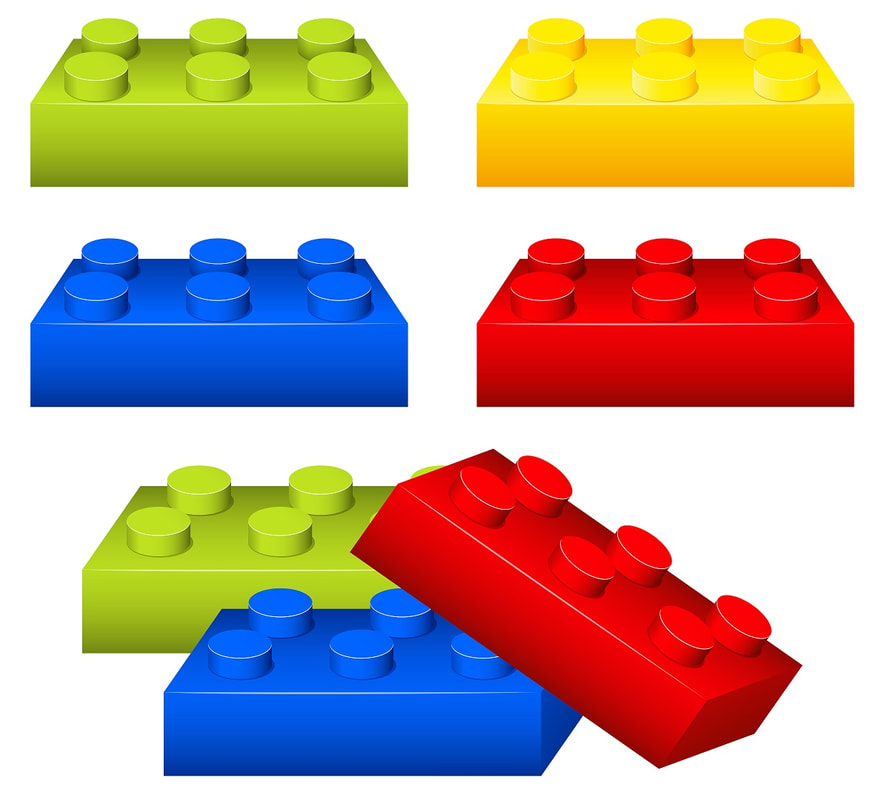 Can Children With Down Syndrome Benefit From Lego Therapy?Lego therapy is not restricted to children with autism. It can be used as a therapy or a fun activity to help any children with social communication and interaction difficulties. This type of therapy can be beneficial for children with Down Syndrome, as they often experience challenges in social interaction and communication. The therapy typically involves children working in small groups, where they are given a set of LEGO bricks to build a model together. Each child has a specific role within the group, such as the builder, the supplier, or the engineer. The children must communicate and collaborate with one another to complete the model successfully. Through this process, children with Down Syndrome can develop essential social skills, including turn-taking, listening, and following instructions. They also learn how to work as part of a team and how to solve problems collaboratively. Lego therapy can be a fun and engaging way for children with Down Syndrome to develop these skills, while also providing a sense of accomplishment and satisfaction as they complete each model. In summary, Lego therapy can be an effective intervention for children with Down Syndrome, helping them develop social communication and interaction skills in a fun and engaging way. 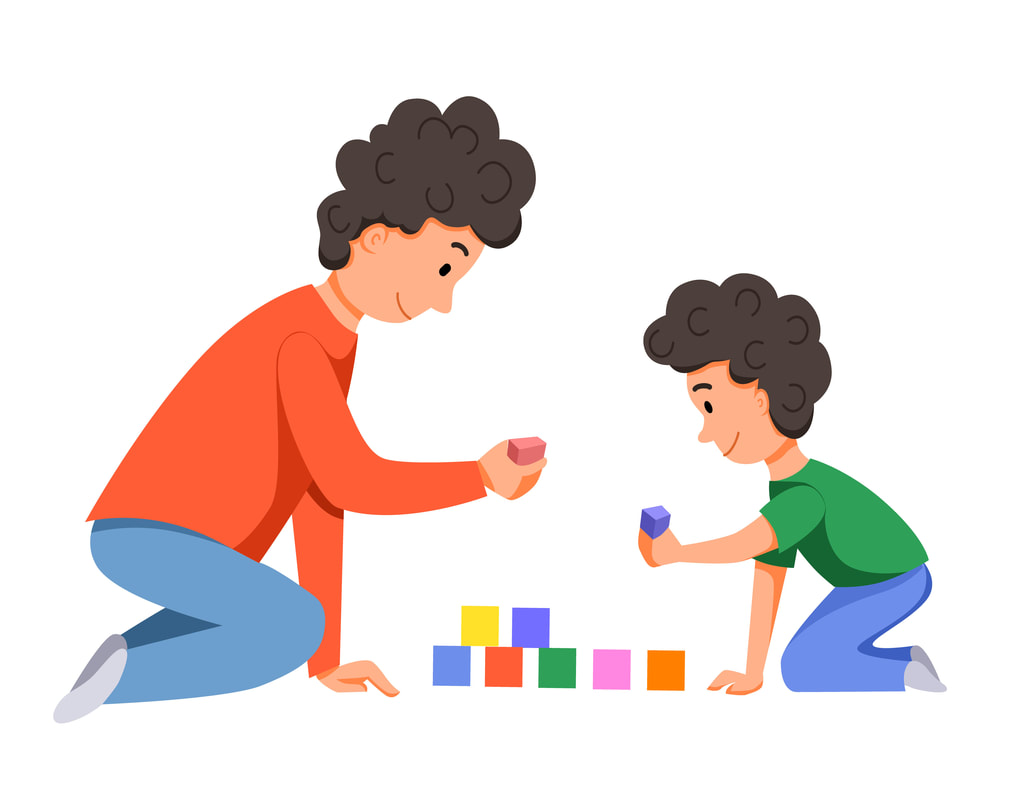 Lego-Based Therapy In Singapore School And Children With Autism Is Lego-Based Therapy popular in Singapore for children with autism? Lego-based therapy seems to be more popular in the UK, Canada, Australia, USA and New Zealand. However, a special school in Singapore has conducted a trial on Lego-based therapy for a small group of students. The study was done by Elizabeth Mui Yee Yen & Teo Hui Ru. Five adolescents completed weekly 1-hour sessions of LEGO® based therapy for 8 weeks. It concluded that the findings indicated improvements in socialization and communication skills in 4 of 5 participants. This study showed the feasibility and effectiveness of implementing LEGO® based therapy groups for social skills interventions for individuals with ASD and MID in a school setting. LEGO® based therapy is a cost efficient and potentially effective intervention method that can be adopted in schools. Source: https://www.apsn.org.sg/wp-content/uploads/2019/05/TS-2018_Lego-Study.pdf There is no lack of evidences to show lego-based therapy offers many benefits to develop various skills for children with learning disabilities (GDD / Autism / Mild Disabilities etc). Perhaps more special schools serving the needs of special needs children in Singapore could introduce Lego-based therapy into the school programs. Even, if schools do not conduct Lego-based therapy session, now you can do your own Lego-based therapy sessions at home with all the resources you need provided by the Build2Talk program. For more info go to: www.build2talk.com Special Schools In Singapore - Metta School / Pathlight / Katong School / AWWA School/ Rainbow Special School / APSN Chao Yang Special School / Eden School  How does the Build2Talk program help to develop communication skills?Children develop receptive language skill when they listen to instructions from the parent or facilitator on what LEGO piece to use and where to put them during a lego-based therapy building session. The ability to listen and respond to instructions is critical in the learning of new skills. If the child can read, the child can also read out the instruction shown on each step as she put the pieces together. In the Build2Talk program, the child is allowed to build the LEGO model with visual instruction accompanied by verbal instruction from the parent or facilitator. Expressive language skill is developed when the child takes on the role as an engineer and gives out the instruction to the builder on what piece to use and how they should be placed during the model building process. The parent or a sibling can play the role of the builder and let the child be the engineer to give the instructions. Expressive language can also develop when the child ask for help if he or she is not able to find a piece of the brick or to put them together. Each step of the building process offers an opportunity for the parent and child to interact and communicate. In the building process, the child also get to be trained on his visual and sequencing skills as he or she is required to follow each step till the model is completed. 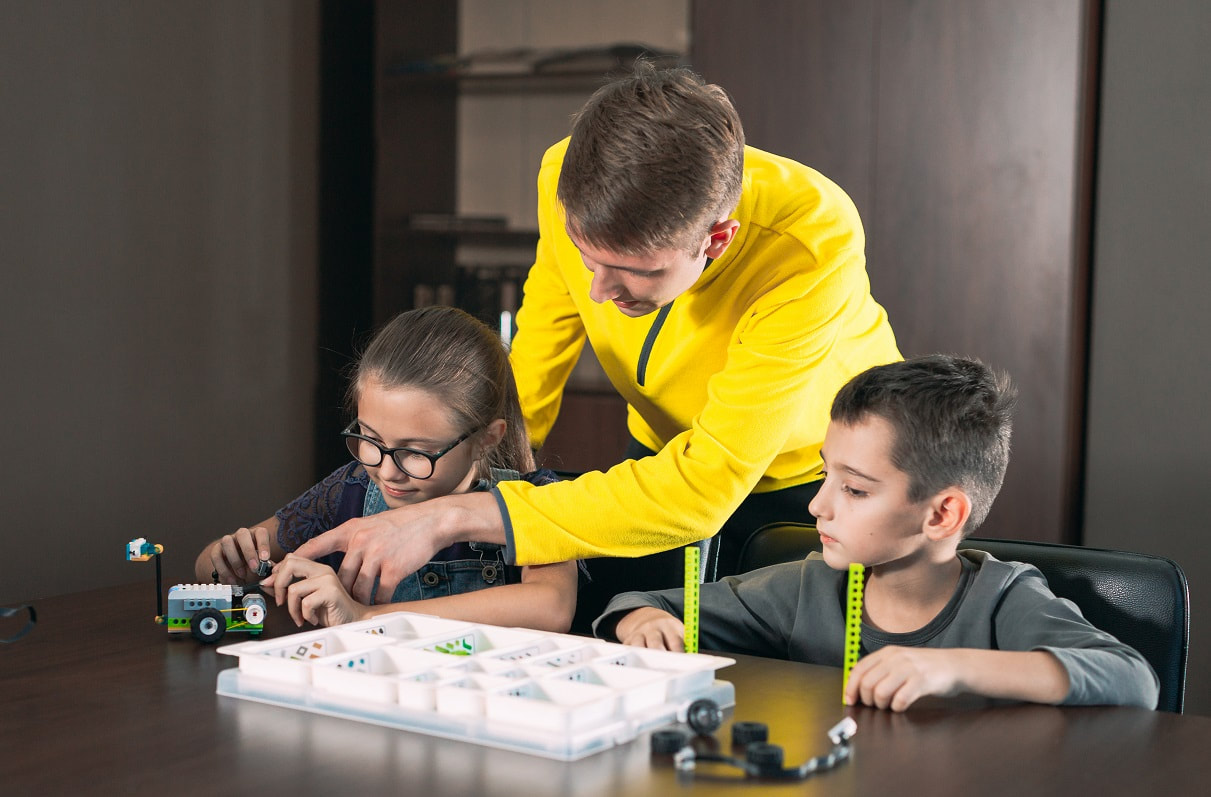 |
AuthorThe Build2Talk Team ArchivesCategories |
 RSS Feed
